
Creating Tech-Free Hours to Restore Creativity, Calm, and Presence
Creativity rarely arrives when the mind is overstimulated.
It shows up in quiet spaces.
In moments of wandering attention.
In pauses where nothing is demanded of you.
When the mind is allowed to rest, ideas begin to connect more easily. Insight feels less forced. Expression becomes more authentic.
This is why some of the most meaningful creative work happens away from screens. Not because technology is inherently wrong, but because the nervous system needs room to breathe.
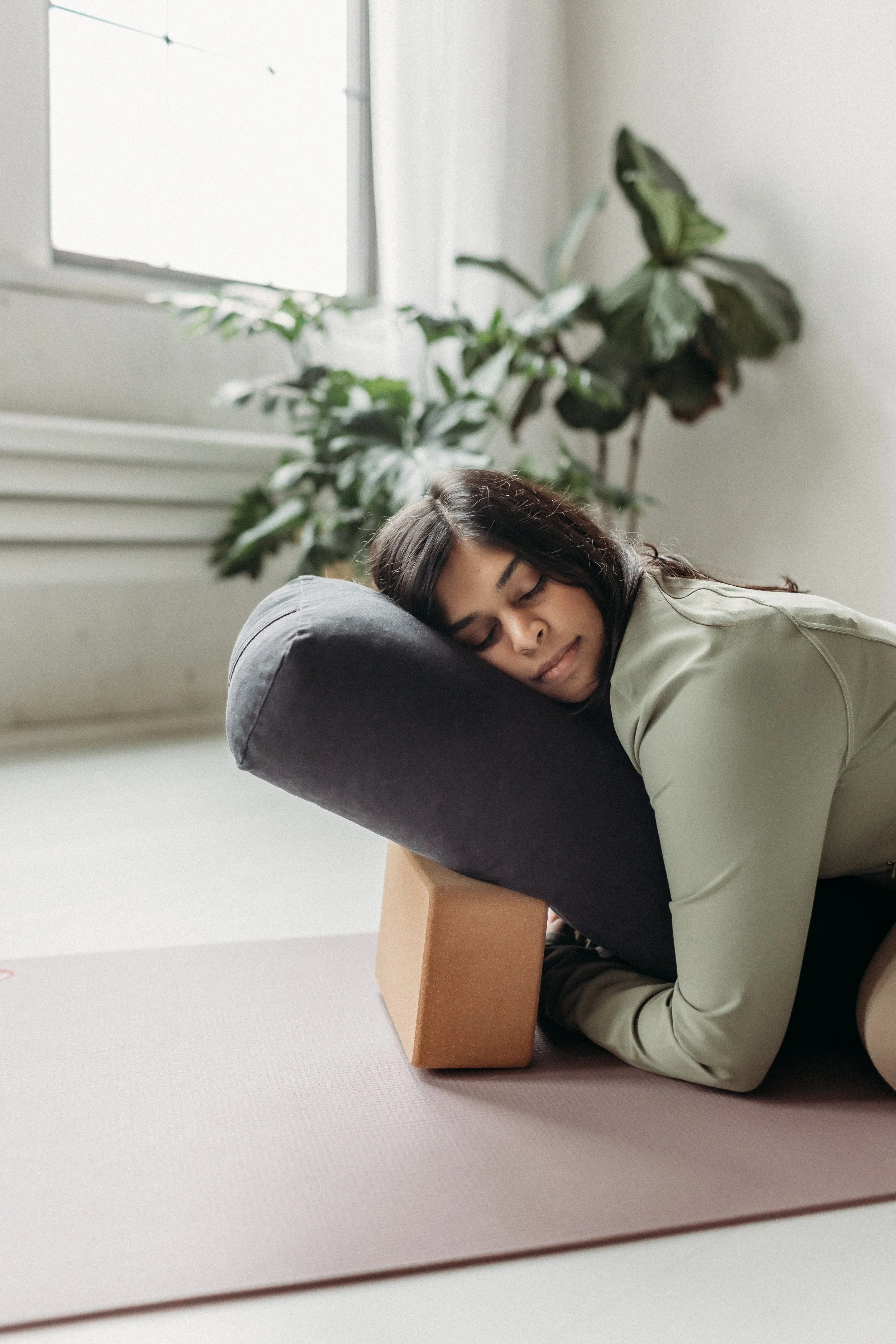
Why the Nervous System Needs Fewer Screens
Screens keep the mind alert and responsive. Even when the content is enjoyable, the nervous system remains subtly activated, scanning, reacting, absorbing.
Over time, this constant input compresses our inner world. Emotions have less space to settle. Creativity struggles to surface. The body stays slightly braced, even during moments meant for rest.
Tech-free hours give the nervous system a different message.
Nothing is required.
Nothing needs to be processed.
It is safe to soften and surrender.
From this state, regulation becomes possible.
What Tech-Free Hours Actually Look Like
Tech-free time does not need to be extreme or isolating. It does not require disconnecting from life. It simply asks for intention.
It might look like:
One hour of focused, hands-on project time
Meditating without guidance from a phone or laptop
Reading a printed magazine or a paperback book
Listening to music without multitasking
Making a cup of tea without checking your phone
When screens are removed, even briefly, attention drops back into the body. Thought slows. Sensation becomes clearer. Presence returns.
Emotional Regulation Through Presence
Emotional regulation is about capacity. When attention is constantly fragmented, emotions tend to feel louder and harder to hold. Tech-free moments allow the nervous system to complete stress cycles naturally.
You may notice:
Less mental noise
Greater emotional steadiness
More space between stimulus and response
Presence emerges when the body feels safe enough to pause.
Creativity Thrives in Unstructured Time
You might already know that, but let me reiterate: Creativity does not respond well to pressure. It appears when the mind has room to wander, when attention is not being pulled in multiple directions at once.
Tech-free hours create this space. Ideas surface organically. Connections feel intuitive rather than strained. Expression becomes more honest. This is why creativity often returns when you step away from screen and finally listening to the subtle energies within and around you.
Making Tech-Free Time a Daily Ritual
Set aside tech-free hours each day. Whether it is mornings without phones or evenings without screens, these pauses become anchors in your rhythm.
They do not need to be long. They do not need to be perfect. Practiced consistently, they become restorative moments your body learns to trust. And in a world shaped by constant digital pull, choosing tech-free time is a small milestone worth celebrating.
My go-to is restorative yoga, without guidance. I move and support my body in whatever way and however long it calls for. Whats yours? Share in the comments below- I’d love to read and respond…
If you feel you need support in raising your energy and clearing what no longer belongs to you, you are welcome to book a 60-minute Clear Your Field session. This is a supportive space to reset your energy and return to clarity.
→ Book your session here
https://www.dhivyaachelvan.com/clear-the-field